
Liquid screed spreads almost entirely under its own weight and reaches a level, smooth surface without the levelling and compaction[...]
Liquid screed spreads almost entirely under its own weight and reaches a level, smooth surface without the levelling and compaction[...]

Fibres are one of the most common additions to sand and cement screeds in the UK. Many contractors add them[...]
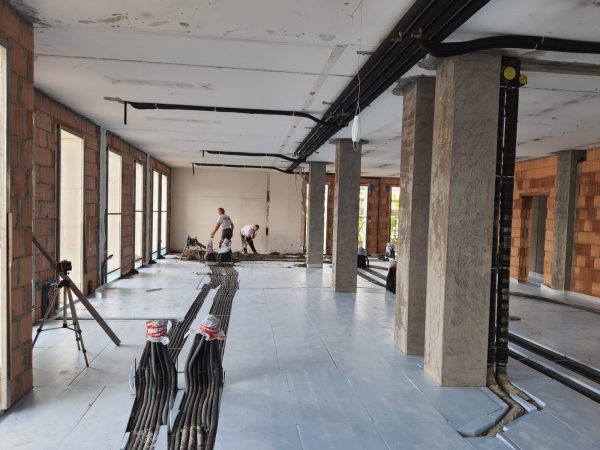
“Concrete” and “screed” are often used interchangeably on site and in technical documentation alike, and it’s easy to see why:[...]

Choosing between ready-mix screed and site-mixed (bulk) screed is not just a question of convenience. It affects programme, waste, consistency,[...]

When a structure cannot support the weight of a standard floor screed, when extra insulation is needed as part of[...]
Anhydrite screed is one of the most common flooring solutions in modern construction, especially wherever underfloor heating is involved. Yet[...]

Although it’s often an overlooked or under-considered detail, screed raises a surprising number of technical questions: its function and the[...]
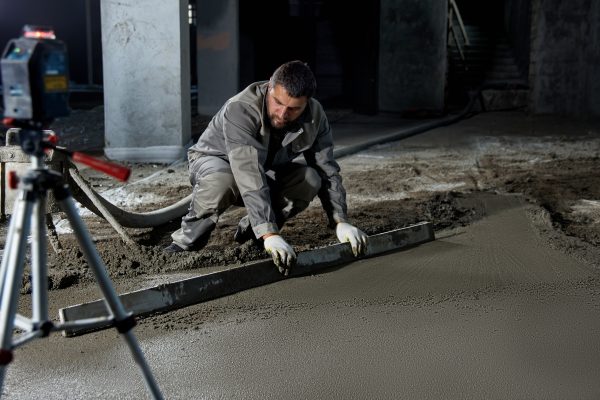
In modern construction, most new floors are no longer laid directly on the concrete slab. Between the structure and the[...]
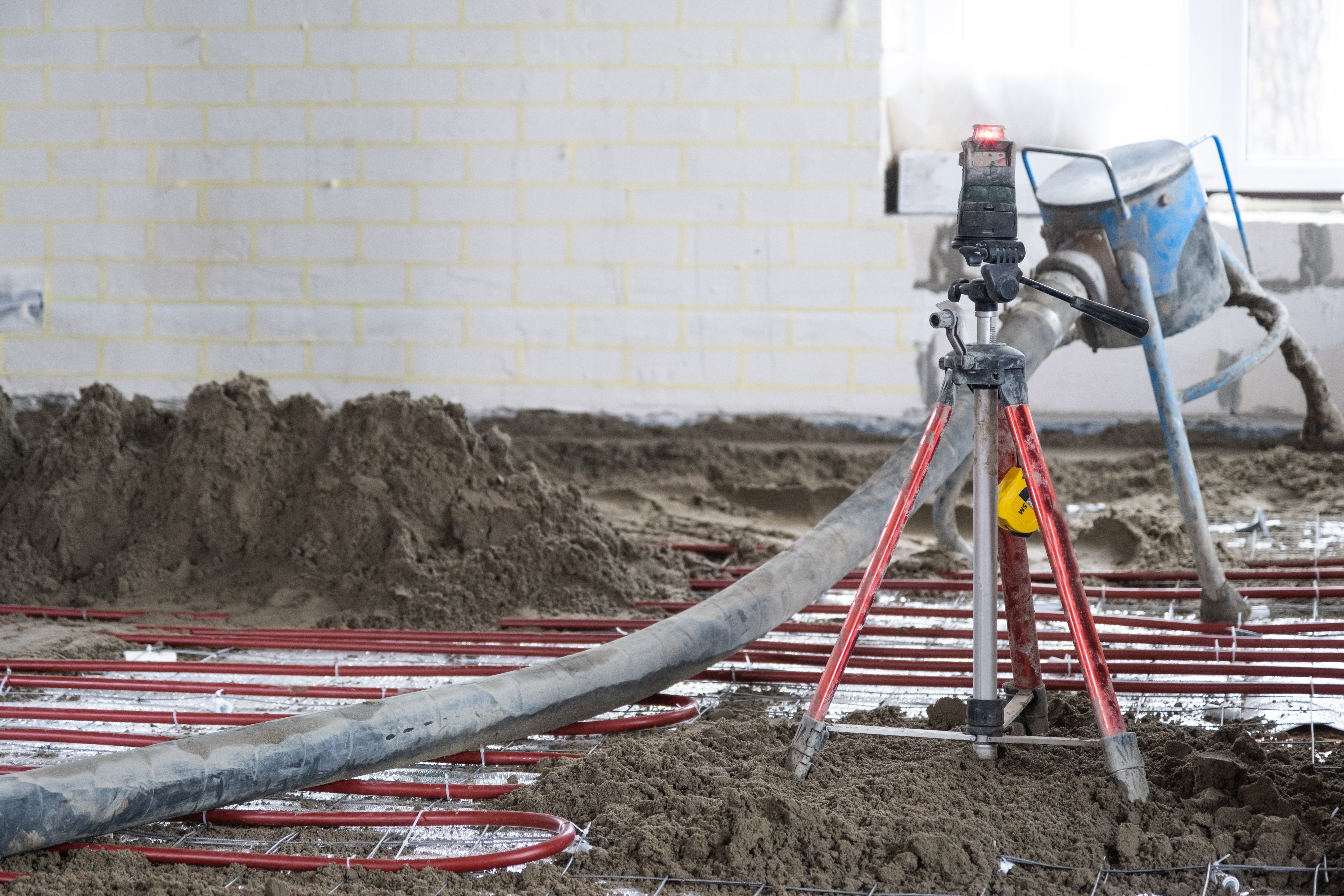
The screed that encases underfloor heating (UFH) isn’t a neutral layer sitting on top of the system. It’s part of[...]

Among the various types available, sand and cement screed stands out as one of the most widely used solutions in[...]